Lewisham Council Bulk Waste Disposal Rules for Cleaning Companies
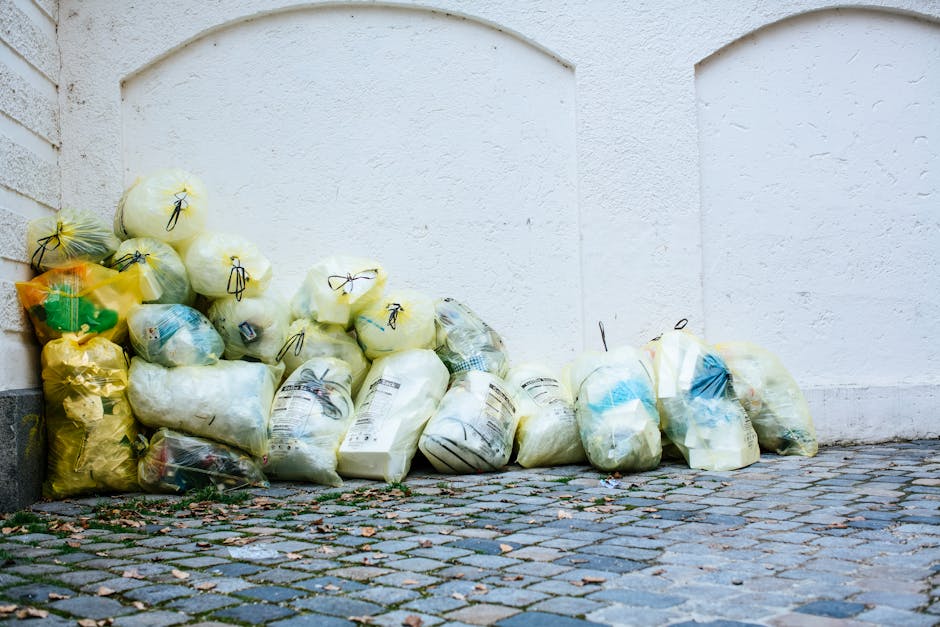
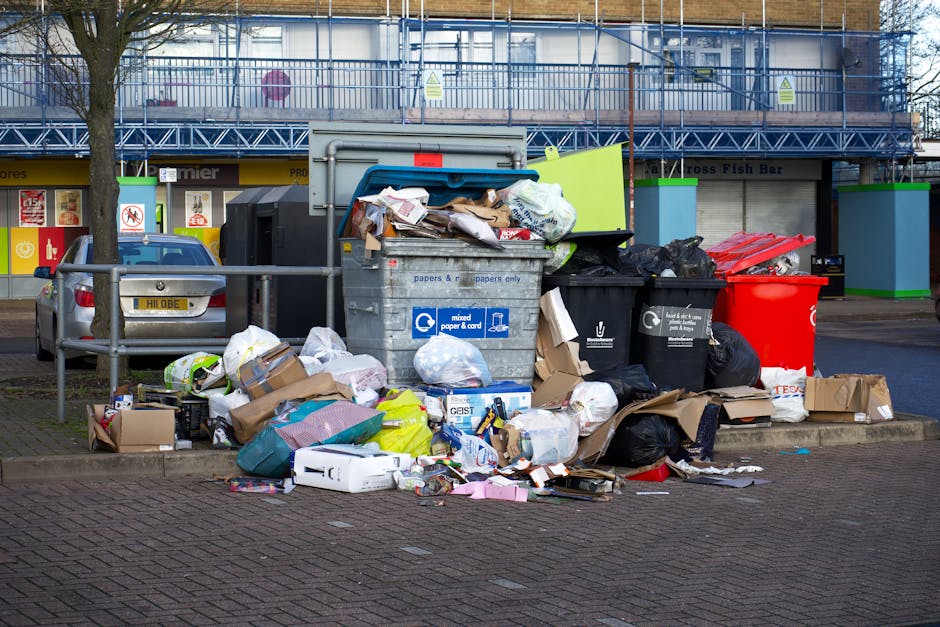
If you run a cleaning business in or around Lewisham, bulk waste can become one of those awkward jobs that looks simple on paper and turns messy in real life. Old mattresses, broken chairs, carpets, damaged upholstery, renovation leftovers after a deep clean... all of it needs to be handled properly. The Lewisham Council bulk waste disposal rules for cleaning companies matter because one wrong move can mean delays, extra charges, or waste being left where it should not be. This guide breaks the process down in plain English, so you can plan collections, stay compliant, and keep clients happy without the headache.
To be fair, most cleaning teams do not need a lecture on waste theory. They need to know what counts as bulk waste, who is responsible, how to book collection, and what to do when a job throws up more than a bin bag or two. That is exactly what this article covers, along with practical tips, a checklist, and a few real-world pitfalls that trip people up more often than they should.
Table of Contents
- Why Lewisham Council Bulk Waste Disposal Rules for Cleaning Companies Matters
- How Lewisham Council Bulk Waste Disposal Rules for Cleaning Companies Works
- Key Benefits and Practical Advantages
- Who This Is For and When It Makes Sense
- Step-by-Step Guidance
- Expert Tips for Better Results
- Common Mistakes to Avoid
- Tools, Resources and Recommendations
- Law, Compliance, Standards, or Best Practice
- Options, Methods, or Comparison Table
- Case Study or Real-World Example
- Practical Checklist
- Conclusion
- Frequently Asked Questions
Why Lewisham Council Bulk Waste Disposal Rules for Cleaning Companies Matters
Bulk waste is not just "a bit of extra rubbish". For cleaning companies, it often includes items too large for standard collection services, awkward materials that need separating, and loads that can quickly drift into non-compliance if nobody is paying attention. That matters because the person booking the clean, the cleaner on site, and the business arranging disposal can all be affected if the waste is handled badly.
In practical terms, a cleaner might find a stripped-out sofa in a flat after an end-of-tenancy clean, or a landlord might ask for an old mattress and broken shelving to be removed at the same time. If you do not know Lewisham's expectations, you risk making assumptions that do not hold up. And let's face it, waste rules are rarely written in a way that feels friendly at 8am before the first job of the day.
For cleaning companies, the real issue is responsibility. Once you agree to remove bulk waste, you need to know what is included in the job, what is not, and whether the waste is going through council collection, a licensed contractor, or a recycling route. The cleaner's role is often part operational, part advisory. That means the better you understand the rules, the less likely you are to create a problem for the customer or for your own team.
Expert summary: if your business touches waste removal in any way, treat bulk waste as a planned service rather than an add-on surprise. Confirm what the items are, how many there are, where they are stored, and who is responsible for booking or paying for disposal. That one habit saves a lot of friction.
How Lewisham Council Bulk Waste Disposal Rules for Cleaning Companies Works
At a high level, the process is straightforward: identify the waste, decide whether it can go through council bulk waste collection or needs another disposal method, book the collection, present the items correctly, and keep records where needed. The detail is where companies get caught out.
Lewisham Council's approach, like most London boroughs, is designed to stop unsuitable items being left on pavements, dumped in communal areas, or mixed into ordinary household waste. For cleaning companies, that usually means checking item size, material type, and whether the customer has already arranged a council collection. It also means knowing the boundary between a cleaning task and a removal task. Those two can overlap, but they are not the same thing.
For example, if you are deep cleaning a rental property and remove a damaged mattress, that may be classed differently from clearing a full flat after tenancy changeover. Similarly, a pile of broken chairs from a communal area may be the landlord's responsibility, not the cleaner's, unless your contract says otherwise. Small detail? Maybe. But those small details are what keep a job tidy.
One of the most useful habits is to confirm the waste category before the team arrives. A quick phone photo from the client can save a wasted visit. A lot of jobs go sideways simply because someone said "a few bulky bits" and the reality turned out to be an old three-seater sofa, two wardrobes, and some very determined garden rubble.
Where recycling or reuse is possible, that can also affect the disposal route. If your company offers recycling and sustainability as part of your service approach, you can make better choices about what should be diverted away from general disposal. Even when the council collection is the right option, sorting items properly helps the whole process go more smoothly.
Key Benefits and Practical Advantages
Following the rules is not just about avoiding complaints. It can make your day easier, reduce admin, and help you look far more professional to clients who are already under pressure.
- Fewer delays on-site: when bulk waste is identified early, the clean can proceed without awkward pauses or last-minute arguments about what gets removed.
- Cleaner quotes: you can separate cleaning work from disposal work, which makes pricing easier to explain.
- Better customer trust: clients relax when you speak clearly about disposal options and timeframes.
- Lower risk of fly-tipping issues: properly arranged collection is safer than assuming someone else will "sort it later".
- Better team efficiency: your cleaners know what to expect, what to photograph, and what to report.
There is also a quieter benefit: fewer awkward conversations with landlords, letting agents, or facilities managers. You know the type. The job is half done, someone spots an old broken bed frame, and suddenly everyone starts looking at each other as if the item might disappear on its own. It never does.
From a customer service point of view, handling bulk waste well can be a differentiator. Many companies can clean a sofa. Fewer can explain how disposal works in a calm, confident way. That matters, especially in a borough like Lewisham where many properties have limited access, narrow stairwells, shared entrances, or parking pressure outside. Good planning saves frustration.
Who This Is For and When It Makes Sense
This topic is most relevant for cleaning companies that work in domestic, commercial, rental, or property-clearance-adjacent settings. If your team only handles lightweight cleaning and never removes waste, you may only need a basic understanding. But if your jobs regularly involve end-of-tenancy cleans, deep cleans after refurbishments, void properties, or communal areas, this is absolutely for you.
It also makes sense for:
- tenant turnover cleaners working with landlords or letting agents
- office cleaning teams dealing with old chairs, packaging, or damaged fixtures
- specialist deep-clean teams handling post-event or post-refurbishment mess
- property managers who coordinate cleaners and waste removal
- small independent cleaners trying to avoid accidental disposal mistakes
In our experience, the jobs that need the most care are the ones that look "almost manageable". A couple of broken units, some carpet offcuts, a stained mattress, a stack of moving boxes. Nothing dramatic. Yet those are exactly the sorts of jobs where assumptions creep in and nobody confirms who is taking the waste away. A simple process helps a lot.
If you are already offering related services such as commercial carpet cleaning or upholstery cleaning, bulk waste guidance is especially useful because these jobs often generate items that need separate handling after the main clean.
Step-by-Step Guidance
Here is a practical way to handle bulk waste on a cleaning job in Lewisham without overcomplicating it.
- Identify the waste early. Ask the client exactly what needs removing, not just what needs cleaning. Photograph the items if possible.
- Check whether the items are bulky, hazardous, or mixed. Mattresses, sofas, wardrobes, and broken furniture are common bulk waste items. Paint, chemicals, sharps, and some electrical items may require different handling.
- Confirm responsibility. Decide whether the customer, landlord, letting agent, or cleaning company is arranging disposal. Do not leave this vague.
- Separate the clean from the clearance. A cleaning quote should not quietly absorb waste removal unless that is clearly agreed.
- Choose the right route. Council bulk waste collection, licensed removal, reuse, or recycling may each make sense depending on the item and the job.
- Prepare the items properly. Put them in the agreed place, keep access clear, and avoid blocking shared hallways or pavements.
- Keep records. Save quotes, photos, collection notes, and any confirmation from the client or disposal provider.
That is the simple version. The more cautious version is the one businesses live by: if you are unsure, stop and confirm. It is far cheaper to ask a question than to rearrange a failed collection. Honestly, the hours lost to avoidable confusion can be maddening.
One small but useful tip: if the waste came from a property with other cleaning work, note whether the items were already contaminated, damaged, or damp. This can affect handling decisions and whether a recycling route is realistic. A soggy mattress in a rainy stairwell is a very different beast from a dry office chair, even if both are technically "furniture".
Expert Tips for Better Results
Good waste handling is mostly about consistency. A few habits, done every time, make your operation look much sharper.
- Use a pre-job waste checklist. Ask about sofas, beds, appliances, flooring offcuts, and leftover renovation material before the team sets off.
- Build disposal questions into your quote process. If you already use pricing and quotes guidance internally, add a line about bulky waste responsibility.
- Train staff to spot risk early. Cleaners do not need to become waste experts, but they should know when to escalate.
- Keep photo evidence. A quick picture before and after can protect you if the customer later says an item was not agreed.
- Plan around access and timing. Lewisham streets, flats, and communal blocks can be awkward for collections. A ten-minute timing adjustment can save a whole missed pickup.
- Use plain language with clients. Say what is included, what is excluded, and what may cost extra. No jargon, no fluff.
Another thing: if your team is regularly handling delicate or problem-prone jobs, the same care that applies to carpet or fabric care should apply to waste handling. That means not dragging items through hallways, not leaving sharp edges exposed, and not assuming the building manager will be fine with "just popping it out front". They usually are not.
Where safety is concerned, it is sensible to align your handling with documented business procedures, especially if items are heavy, sharp, damp, or contaminated. A solid policy is not exciting, but it keeps people safer and jobs more predictable. Boring? Maybe. Useful? Absolutely.
Common Mistakes to Avoid
The biggest mistakes tend to be simple ones. They are easy to make when the team is busy, but they can create disproportionate problems.
- Assuming the council will take anything bulky. Not every item is eligible, and not every collection request is suitable.
- Not agreeing who pays. If no one has confirmed disposal costs, the job can stall fast.
- Mixing waste types together. General rubbish, electrical items, furniture, and hazardous materials may need different treatment.
- Leaving items in the wrong place. Shared corridors, front gardens, and pavements can all cause access or enforcement issues.
- Forgetting access restrictions. Narrow stairs, parking rules, and managed blocks can turn a simple removal into a logistical puzzle.
- Giving vague quotes. "Waste removal if needed" is not enough once the client starts asking questions.
A common one we see is this: a cleaner agrees to remove "a couple of bits" and only later discovers the customer had a full van load in mind. That is not really a waste issue; it is a communication issue. Still, the result is the same. Everyone gets annoyed.
Another trap is failing to separate what can be cleaned from what must be disposed of. A badly stained sofa may not need immediate removal if a deep clean is likely to restore it. On the other hand, a collapsed mattress, water-damaged rug, or broken chair may be beyond sensible repair. A quick judgement call can save both time and money.
Tools, Resources and Recommendations
You do not need a complicated system, but a few tools make bulk waste handling easier and more professional.
- Photo capture on mobile devices: useful for documentation, quoting, and dispute prevention.
- Job notes or CRM fields: keep waste details separate from the cleaning checklist.
- Size and item reference sheets: these help new staff understand what counts as bulky.
- Client consent records: especially useful for landlords and managing agents.
- Reusable site checklists: simple, old-fashioned paper still works well in a van or on stairs.
For businesses wanting to present a more complete service, it can help to connect waste handling with your public policies. Pages like health and safety policy, insurance and safety, and terms and conditions show that your company takes responsibility seriously. Customers notice that, even if they do not say it out loud.
If you are trying to keep your working practices transparent, you may also want your team to understand complaint handling and payment expectations. Not because bulk waste is likely to cause a complaint every time, but because clear back-office processes make service recovery easier when something goes wrong. A calm system behind the scenes is worth more than it looks.
Law, Compliance, Standards, or Best Practice
Cleaning companies dealing with waste should be careful about legal responsibility, duty of care, and the difference between "helping a customer out" and taking on regulated waste handling. The exact requirements can vary depending on the type of waste, how it is stored, who transports it, and whether a licensed disposal route is involved.
In everyday terms, the safest best practice is this: only remove waste you are authorised to handle, and only use lawful disposal arrangements. If the waste includes electricals, chemicals, sharps, contaminated materials, or anything you suspect could be classed as hazardous, stop and check the correct route before moving it. Guessing is not a strategy.
For most cleaning companies, the practical compliance points are:
- confirm item ownership and disposal authority
- keep waste separated where required
- avoid fly-tipping or unauthorised placement
- use proper collection channels or licensed partners where necessary
- retain records when the job involves larger or more sensitive waste streams
It also helps to align your working method with your own internal safety process. If items are heavy, use safe manual handling. If they are sharp or dirty, use the right protective equipment. If access is awkward, slow the job down rather than rushing. A rushed lift down a narrow stairwell is how small problems become expensive ones.
And if your business advertises cleaning and disposal support, make sure the wording is accurate. Customers appreciate clarity. Regulators tend to appreciate it too, which is convenient.
Options, Methods, or Comparison Table
Different waste routes suit different cleaning jobs. The right choice depends on volume, item type, access, and urgency. Here is a simple comparison to help you think it through.
| Method | Best for | Pros | Limitations |
|---|---|---|---|
| Council bulk waste collection | Standard bulky household items and planned collections | Clear process, familiar to many residents, suitable for straightforward loads | May have booking limits, item restrictions, or lead times |
| Licensed private removal | Higher volumes, urgent jobs, or mixed waste | More flexible, often better for business-led jobs | Costs can be higher and due diligence matters |
| Recycling or reuse | Usable furniture or materials in good condition | Better environmental outcome, can improve client satisfaction | Not suitable for damaged, dirty, or contaminated items |
| Keep items on site until decision is made | Jobs where the waste status is unclear | Buys time to confirm the right route | Needs secure storage and client agreement |
For many cleaning companies, the best option is not one single method but a sensible mix. A usable chair might be kept for reuse, a broken mattress may go through bulk collection, and packaging waste may be separated for ordinary disposal. That layered approach sounds basic, but it is often the cleanest way to keep everyone calm and on track.
Case Study or Real-World Example
A small cleaning company in Lewisham was asked to carry out an end-of-tenancy clean in a two-storey flat. The client's email mentioned "a few bits of furniture to go as well". On arrival, the team found a damaged bed frame, a wet mattress in the bedroom, two office chairs, and a stack of broken shelving. Not catastrophic, but enough to complicate the job.
Because the team had a simple pre-job process, they paused, took photos, and confirmed who was responsible for disposal before moving anything. The client realised the volume was larger than expected and agreed to a separate disposal arrangement. The cleaners completed the cleaning work, kept the site tidy, and avoided the classic end-of-job scramble where everybody starts arguing about whose job the bed frame is.
That same day, another property near the high street had a similar issue, but the cleaners had not asked enough questions in advance. The waste was left near the entrance while the office sorted it out later. It caused a complaint from a neighbour, and the whole thing took longer than the clean itself. Same city, similar job, very different outcome.
The lesson is not complicated. Ask early. Confirm responsibility. Keep records. Tiny bit of admin, big reduction in stress.
Practical Checklist
Use this checklist before agreeing to any bulk waste-related cleaning job in Lewisham.
- Have I asked exactly what items need removing?
- Do I know whether the items are bulky, hazardous, or mixed?
- Has the customer confirmed who is responsible for disposal?
- Have I separated cleaning work from waste removal in the quote?
- Do I know whether council collection, private removal, reuse, or recycling is the best route?
- Have I checked access, parking, and building restrictions?
- Have I taken photos or gathered clear job notes?
- Do I know where the items should be stored before collection?
- Has the team been briefed on lifting, handling, and safety issues?
- Are my policies and records aligned with the service I am offering?
If you can tick most of those off, you are in a much stronger position. If not, slow down. It is much better to spend five extra minutes clarifying the job than to spend an afternoon fixing a messy misunderstanding. That five minutes is usually money well spent.
For businesses wanting a stronger customer experience around scheduling and admin, keeping disposal questions alongside your wider service information can help. Pages such as contact us, about us, and blog can support better communication, especially when customers need a quick answer before booking.
Conclusion
Lewisham Council bulk waste disposal rules for cleaning companies are really about one thing: making sure the cleaning job ends properly, not awkwardly. If your team understands what counts as bulk waste, who owns the responsibility, how to choose the right disposal route, and how to document the process, you will avoid most of the common problems before they even start.
In practice, that means clearer quotes, fewer delays, better trust, and a calmer day for everyone involved. It also means your business looks more organised and more professional, which never hurts. Truth be told, clients notice when a company has thought things through.
If you only remember one point, make it this: do not leave bulk waste handling to assumption. Confirm it. Record it. Then move on with confidence.
Get a free quote today and see how much you can save.
And if you are building a more reliable service overall, keep refining the small systems. That is usually where the real quality lives.
Frequently Asked Questions
What counts as bulk waste for a cleaning company in Lewisham?
Bulk waste usually means items too large or awkward for normal bin collections, such as sofas, mattresses, wardrobes, shelving, or large broken furniture. The exact handling depends on the item type and condition.
Can a cleaning company arrange bulk waste disposal for a client?
Yes, if it is agreed in advance and your business is set up to do so properly. The key is to confirm responsibility, use the right disposal route, and avoid taking on waste you are not authorised or equipped to handle.
Do I need to separate cleaning from waste removal on the quote?
Definitely. Even if the customer wants both services, the quote should clearly show what is included. That avoids confusion later if the job turns out to involve more waste than expected.
What if the customer says there is only a few items, but there are actually many more?
Stop and re-scope the job. Take photos, update the quote, and confirm whether the extra items change the disposal method or cost. It is much easier to handle this before anything is moved.
Are all bulky items suitable for council collection?
Not always. Some items may be restricted, require special handling, or need a different collection route. If you are unsure, treat the item cautiously and confirm the correct process before removal.
What records should a cleaning company keep?
Keep job notes, photos, client instructions, quote details, and any disposal confirmations. These records are useful if there is a dispute about what was agreed or where items were supposed to go.
How do I avoid fly-tipping risk?
Use lawful disposal methods, confirm who is responsible, and never leave waste somewhere that could be treated as unauthorised dumping. If items cannot be collected immediately, keep them secure and agreed with the customer.
What should I do with damaged but reusable furniture?
If the item is still usable, consider whether reuse or recycling is more appropriate than disposal. If it is heavily damaged, contaminated, or unsafe, disposal may be the only realistic option.
Does bulk waste handling need special training?
Not every cleaner needs specialist waste training, but staff should understand the basics of item identification, safe lifting, and when to escalate unusual waste. A short internal briefing can go a long way.
What is the biggest mistake cleaning companies make with bulk waste?
The biggest mistake is assuming someone else has dealt with it. When disposal responsibility is unclear, the job gets messy very quickly. Clear communication at the start solves most of that.
How can I make bulk waste jobs less stressful for my team?
Use a simple checklist, ask better questions before the visit, and keep quotes clear. A bit of structure prevents a lot of last-minute scrambling, especially on busy days when everyone is already flat out.
Where can I learn more about related business policies?
It helps to review your company's safety, insurance, pricing, and service terms so bulk waste handling fits naturally into your wider operation. That way, the whole process feels joined up rather than improvised.